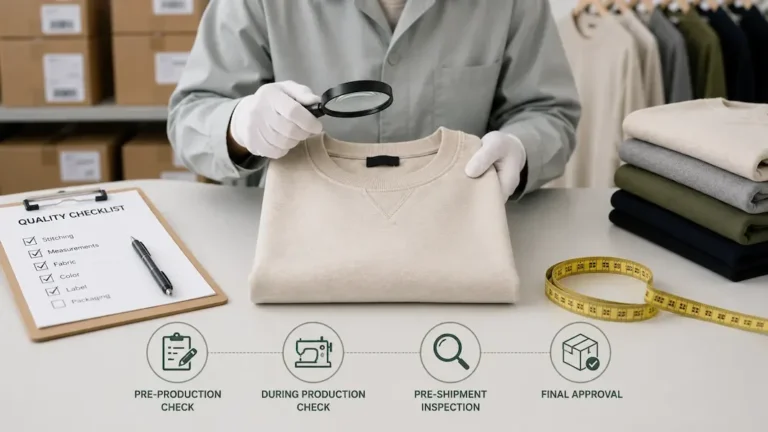
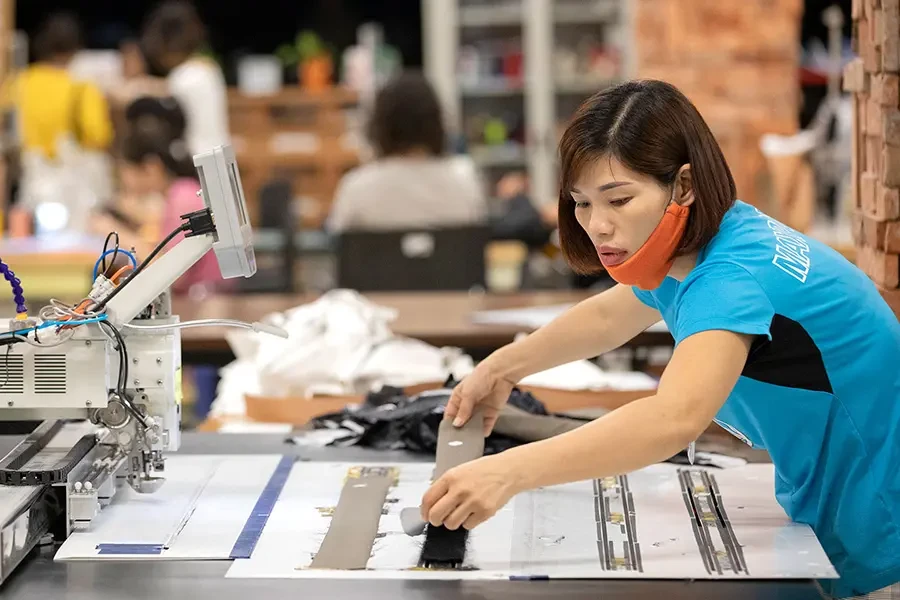
When manufacturing custom sportswear and technical outerwear, quality cannot be an afterthought—it must be built into the process. We do not rely solely on checking the finished garments before shipping. Instead, we use a strict, multi-stage quality control (QC) system to identify and resolve issues directly on the production line.
After you approve the Pre-Production Sample (PPS), our bulk production QC process follows these four critical stages:
1. Material & Trim Inspection (Pre-Sewing)
Short answer: We check incoming fabric and trims against the approved spec before cutting — weight, color, shrinkage and defects.
Before a single piece of fabric is cut, we inspect all incoming raw materials.
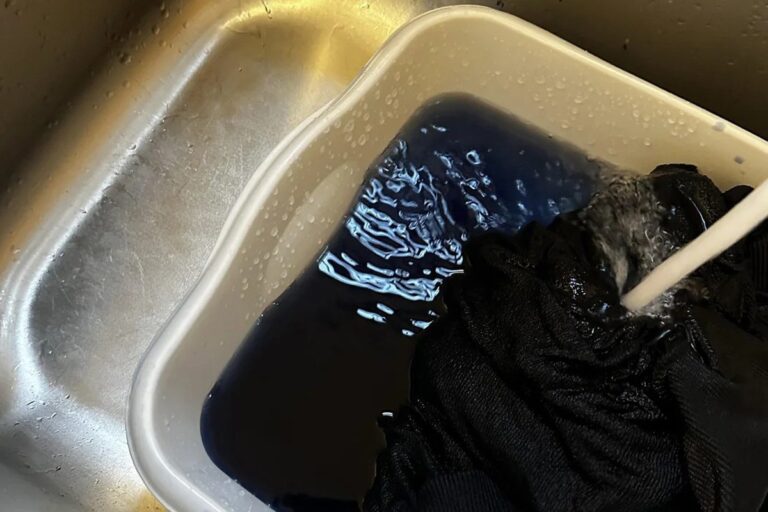
- Fabric Checks: We verify the fabric’s weight (GSM), color consistency (against your approved Pantone), and technical properties (such as testing the DWR coating and hydrostatic head for waterproof jackets).
- Trim Checks: We ensure all custom hardware—like YKK AquaGuard zippers, toggles, and brand labels—match the approved specifications and function smoothly.
2. Top of Production (TOP) Evaluation
Short answer: A top-of-production review checks the first garments off the line against the approved sample before the full run continues.
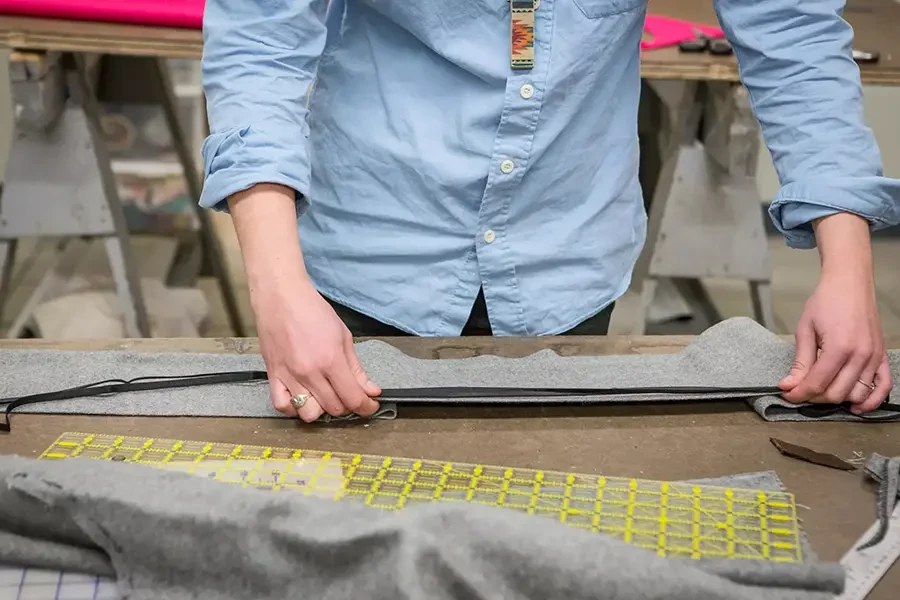
Once the bulk fabric is cut and the sewing line starts, the very first batch of garments off the line are pulled for a Top of Production (TOP) review. We compare these units directly against your approved PPS to ensure the factory line has perfectly translated the prototype into mass assembly. We check the stitch density, seam-tape routing, and pattern alignment.
3. In-Line Inspection (During Assembly)
Short answer: In-line checks happen during assembly, so problems are caught while they can still be fixed, not after the order is packed.
This is where technical manufacturing is won or lost. Our QC managers conduct random inspections on the sewing floor while the garments are being assembled.
- For sportswear, we focus on stretch recovery and the durability of flatlock stitching.
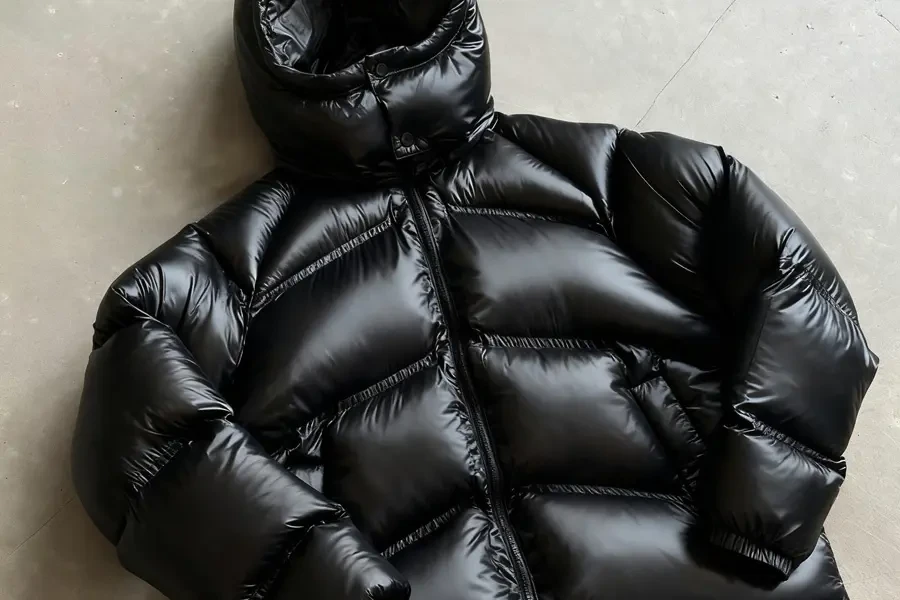
- For technical outerwear, we rigorously check the PU seam taping for any bubbles or lifting, ensuring the garment remains 100% waterproof. If an operator’s machine calibration is slightly off, we catch it and correct it immediately, preventing bulk defects.
4. Final Random Inspection (Agreed Standard)
Short answer: A final random inspection is run after packing. The inspection level and acceptance standard are agreed per order; AQL 2.5 is not a blanket default.
After the garments are fully assembled, pressed, and packaged into polybags, we conduct a Final Random Inspection based on the inspection standard agreed in each order.
- Inspection levels, where required by the client, can be agreed per order (for example AQL 2.5 for major defects and 4.0 for minor defects).
- During this phase, we verify the final graded measurements, check for loose threads, ensure correct folding and labeling, and confirm the carton weight and shipping marks.
The Five Oceans QC Timeline
Short answer: QC runs at four points: incoming materials, top of production, in-line and final. Inspection reports can be shared on request.
| QC Stage | Timing | Primary Focus |
| 1. Material Check | Upon fabric arrival | Pantone accuracy, technical coatings, trim function |
| 2. TOP Evaluation | First units off the line | Translation of PPS to mass assembly, machine setup |
| 3. In-Line Inspection | During active sewing | Stitch quality, seam sealing, alignment |
| 4. Final agreed standard | Post-packaging | Measurement verification, final presentation, packaging |
Total Transparency for Your Peace of Mind
Short answer: You can agree inspection checkpoints and reporting in advance, so you know what is being checked without being on the factory floor.
You shouldn’t have to be on the factory floor to feel confident in your order. For the big order, if requested, our team can provide comprehensive QC reports, including photos and measurement charts from the TOP and Final Inspection stages, before the goods are shipped to your warehouse.