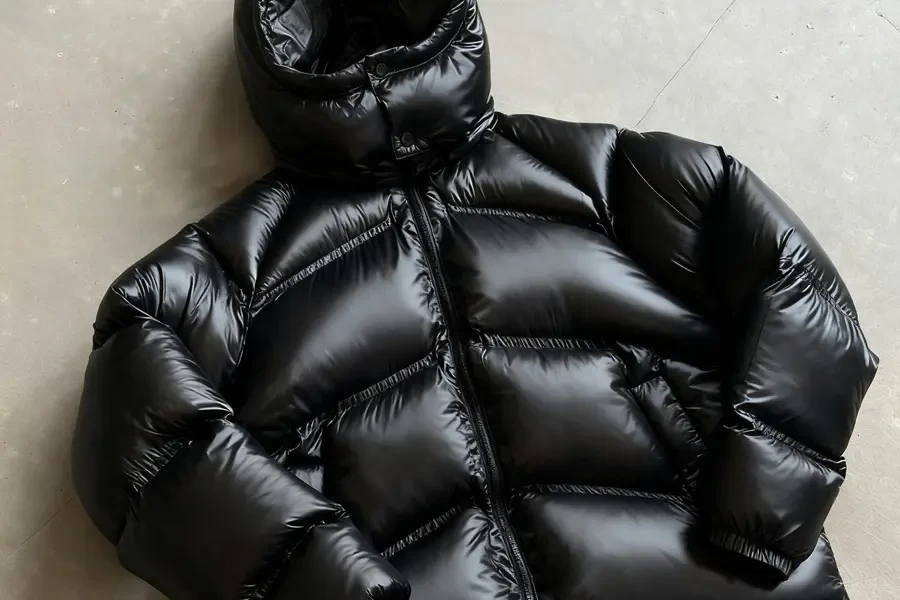

When designing insulated outerwear, the choice of fill material is the most significant factor in determining the garment’s performance, price point, and target use case. Both natural down and synthetic alternatives have distinct advantages and limitations that must be carefully weighed.
Natural Down: The Gold Standard for Warmth
Natural down (duck or goose) is composed of light, fluffy filaments that branch out from a central point, creating thousands of tiny air pockets. This structure is nature’s most efficient insulator.
- Pros: Exceptional warmth-to-weight ratio, highly compressible, and extremely durable (can last decades with proper care).
- Cons: Loses insulating power when wet, takes a long time to dry, and requires ethical sourcing (RDS certification).
Synthetic Insulation: Resilience in All Conditions
Synthetic insulation is typically made of polyester filaments engineered to mimic the structure of down. Modern high-end synthetics (like PrimaLoft® or 3M™ Thinsulate™) have closed the performance gap significantly.
- Pros: Maintains warmth when wet, dries quickly, hypoallergenic, and generally more affordable.
- Cons: Heavier and bulkier than down for the same warmth level, and breaks down faster over time with repeated compression.
Technical Comparison Table
| Feature | Natural Down Insulation | Synthetic Insulation |
|---|---|---|
| Warmth-to-Weight | Superior (Unmatched) | Good (Improving with technology) |
| Wet Weather Performance | Poor (Clumps and loses loft) | Excellent (Retains warmth when damp) |
| Compressibility | Excellent (Very packable) | Moderate to Good |
| Durability/Longevity | High (Decades of use) | Moderate (Fibers fatigue over time) |
| Hypoallergenic | No (Potential for allergies) | Yes (Ideal for sensitive users) |
| Cost | Premium | Value to Moderate |
Which One Should You Choose?
For technical mountaineering or ultralight backpacking in dry climates, Natural Down remains the superior choice. For high-output activities where the wearer might sweat, or for environments with high humidity and frequent rain, Synthetic Insulation is often the more practical and reliable option. Many modern brands are also exploring “Hybrid” designs that use down in the core for warmth and synthetics in high-moisture areas like the cuffs and underarms.
Technical References
- Textile Research Journal. Comparative Analysis of Natural Down and Synthetic Fiber Insulation.
- Outdoor Industry Association. Insulation Material Selection Guide for Technical Apparel.
- International Down and Feather Bureau (IDFB). Testing and Quality Standards for Natural Fill. Available at: idfb.net