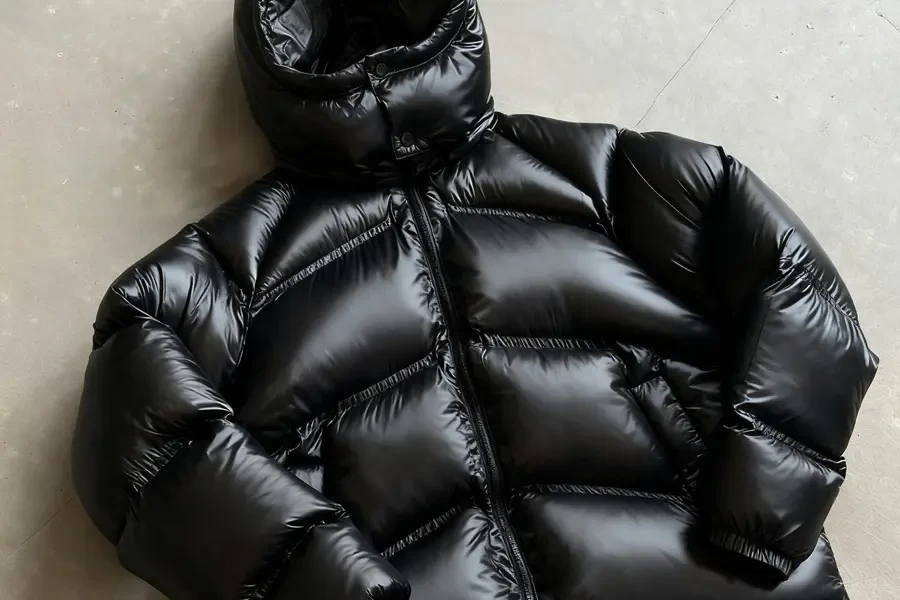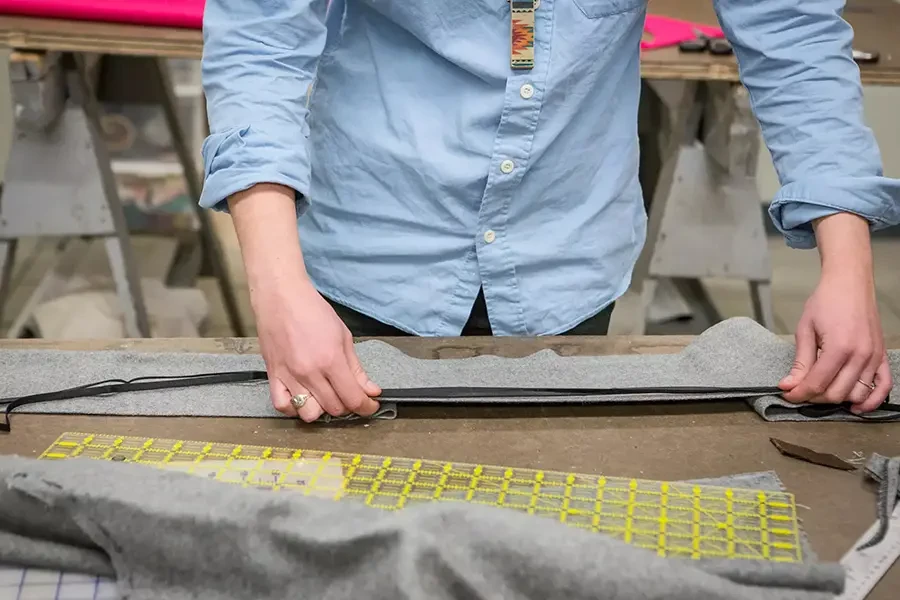
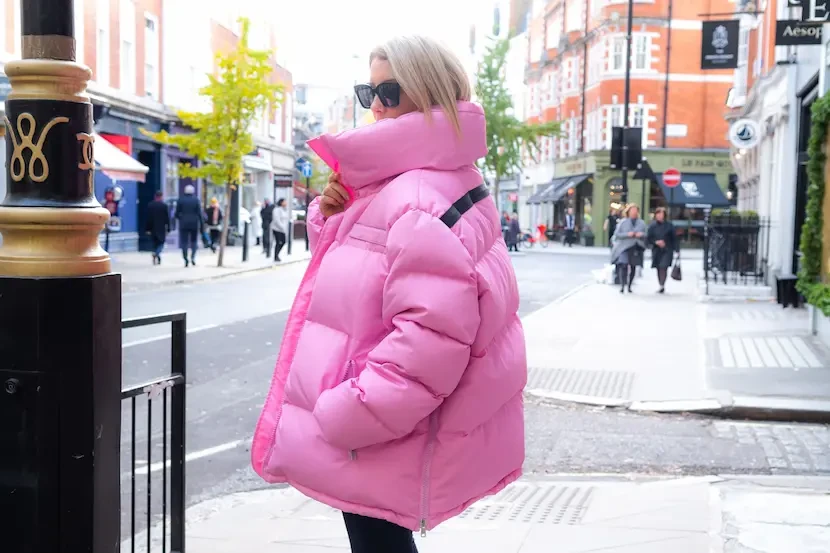
The “packable” puffer jacket has become a staple for modern travelers and outdoor enthusiasts. The goal is simple: a garment that provides significant warmth but can be compressed into a tiny pouch when not in use. However, achieving this without damaging the delicate down clusters or permanently wrinkling the fabric is a complex engineering challenge. For brands, the focus must be on material resilience and structural design.
1. The Role of Fill Power in Compressibility
Fill Power (FP) is the most critical factor in a jacket’s ability to compress and recover. High-fill-power down (such as 800FP or 900FP) consists of larger, more resilient clusters that trap more air. Because these clusters are more “springy,” they can be compressed to a smaller volume and will “bounce back” to their original loft much faster than lower-quality down.
2. Fabric Engineering: Denier and Weight
To make a jacket truly packable, the shell and lining fabrics must be incredibly thin and lightweight. This is measured in Denier (D), which indicates the fiber thickness.
- 10D to 20D Fabrics: These ultra-lightweight nylons are the industry standard for premium packable gear. They are thin enough to allow for maximum compression but must be engineered with high-tenacity yarns to maintain durability and down-proofness.
- Cire Finishing: A heat-and-pressure treatment that flattens the fabric fibers, enhancing both the packability and the “hand-feel” of the garment.
3. Technical Specifications for Packable Gear
| Component | Standard Puffer | Premium Packable Puffer |
|---|---|---|
| Fill Power (FP) | 550FP – 600FP | 750FP – 900FP |
| Fabric Denier | 30D – 50D | 10D – 20D |
| Compression Ratio | Moderate | High (Up to 1:10 volume reduction) |
| Loft Recovery Time | Slower | Rapid (Near-instant restoration) |
| Weight | 400g – 700g | 150g – 300g |
4. Ensuring Loft Longevity
Repeated compression can eventually fatigue down clusters. At Five Oceans, we conduct rigorous “Compression-Recovery Cycles” during the prototyping phase. We measure the loft height before and after 100 compression cycles to ensure the garment maintains at least 95% of its original thermal efficiency. Additionally, we optimize baffle shapes to prevent down from being “trapped” in corners during the folding process.
Technical References
- Journal of Engineered Fibers and Fabrics. Compressional Behavior of Down and Feather Insulation.
- Textile World. Advancements in Ultra-Lightweight Technical Fabrics. Available at: textileworld.com
- International Down and Feather Bureau (IDFB). Testing Standards for Loft Recovery and Fill Power. Available at: idfb.net