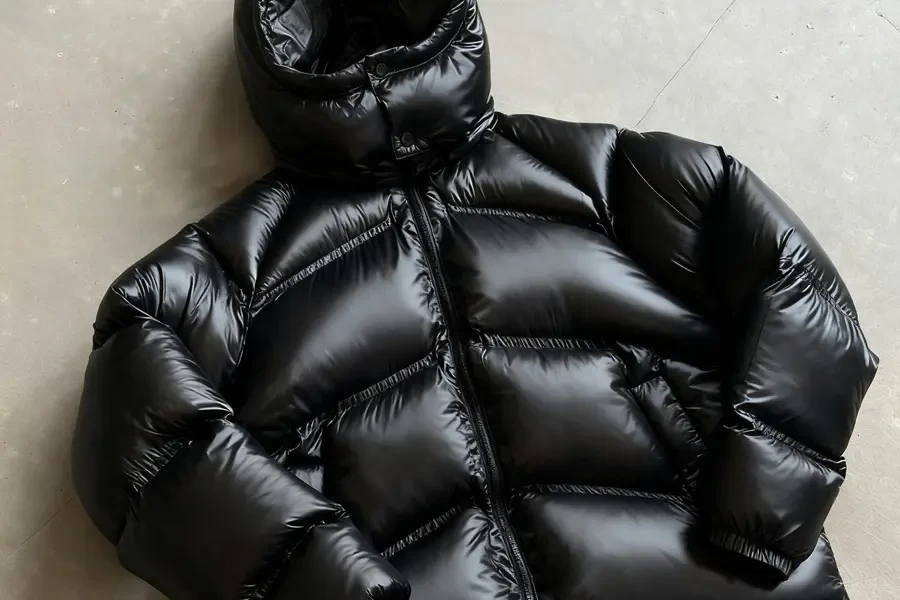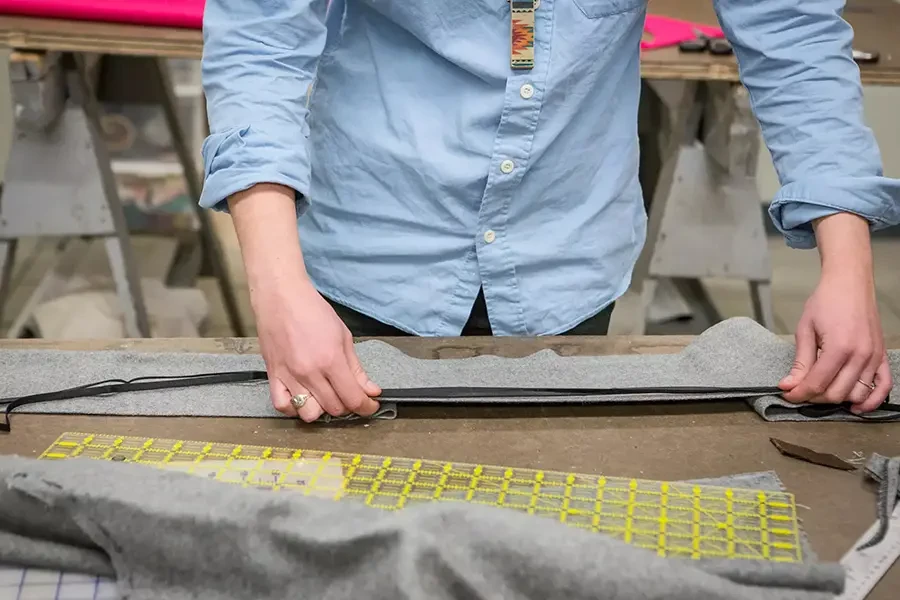
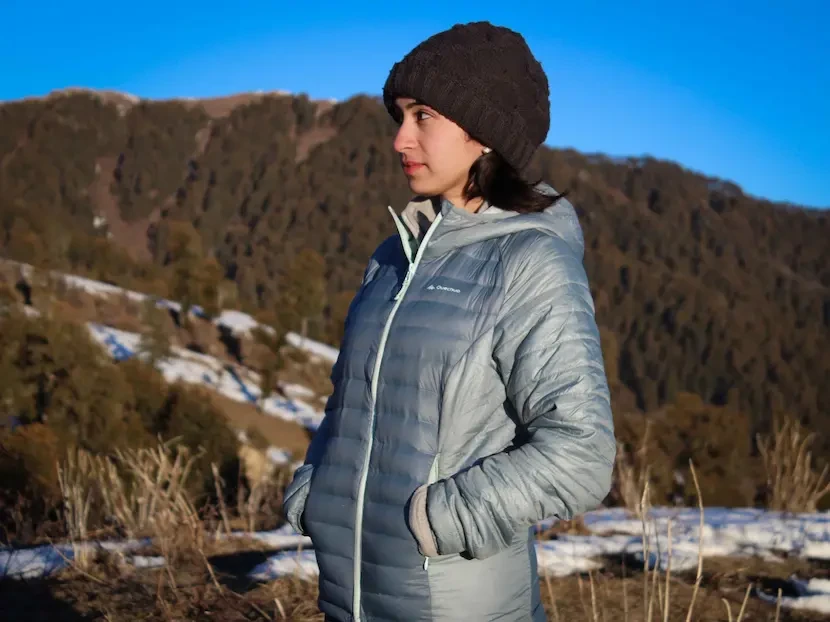
In the world of technical apparel, the visual “puffs” of a jacket are the result of strategic quilting. These patterns create individual chambers, or baffles, that prevent down from shifting and clumping. However, the method of creating these chambers—the stitching technique—has a profound impact on the jacket’s thermal performance and weight. For brands, selecting the right quilt pattern is a balance of engineering, aesthetics, and target warmth.
1. Sewn-Through Construction: Lightweight and Breathable
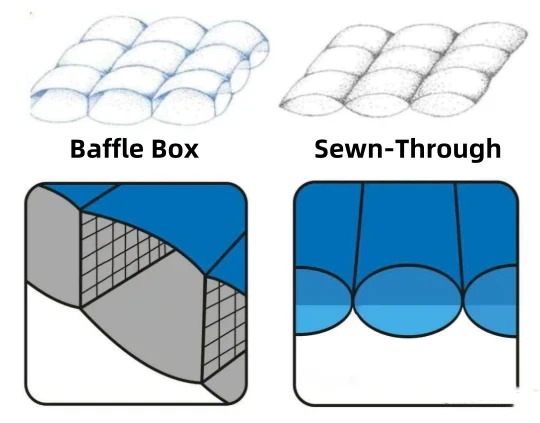
Sewn-through is the most common quilting method. The outer shell and inner lining are stitched directly together to create the baffles. This technique is highly efficient for manufacturing and results in a lighter, more breathable garment.
- Cold Spots: Because the fabric is pinched together at the stitch lines, there is no insulation at these points, creating “cold spots” where heat can escape.
- Best Use: Lightweight puffers, mid-layers, and garments designed for moderate cold or high-activity levels.
2. Baffle Box Construction: Maximum Loft and Warmth
Baffle box construction is a more complex and premium technique. Instead of stitching the shell and lining together, thin strips of fabric (baffles) are sewn between them, creating three-dimensional “boxes.” This allows the down to loft fully across the entire surface of the jacket.
- Thermal Efficiency: By eliminating the pinched stitch lines, baffle box construction significantly reduces cold spots and maximizes the warmth-to-weight ratio.
- Best Use: Extreme cold-weather parkas, high-altitude mountaineering gear, and premium technical outerwear.
3. Technical Comparison: Stitching Methods
| Feature | Sewn-Through Construction | Baffle Box Construction |
|---|---|---|
| Thermal Efficiency | Moderate (Presence of cold spots) | Maximum (Uniform insulation) |
| Weight | Lighter (Less fabric/thread) | Heavier (Additional baffle material) |
| Compressibility | Excellent | Very Good |
| Manufacturing Complexity | Standard | High (Requires precision assembly) |
| Cost | More Affordable | Premium |
4. The Art of Pattern Design
Beyond the internal structure, the external quilt pattern—whether horizontal baffles, diamond quilts, or custom geometric shapes—affects how down is distributed. Smaller baffles provide more stability but require more stitching, while larger baffles allow for more loft but increase the risk of down shifting. At Five Oceans, we use advanced CAD systems to calculate the precise fill weight for each individual chamber, ensuring uniform warmth across the entire garment.
[Visual Comparison: Sewn-Through vs. Baffle Box Structure]
 |
Technical References
- Textile Research Journal. Thermal Resistance of Down-Filled Baffle Structures. Available at: sagepub.com
- Outdoor Industry Association. Insulation Construction Standards for Technical Apparel.
- International Down and Feather Bureau (IDFB). Quality Standards for Down-Filled Products. Available at: idfb.net